Monday, October 7, 2024

Famous Artists and their Painting | Famous Paintings


 The video titled “Famous Artists and their Painting | Famous Paintings” serves as an educational exploration into the world of renowned artists and their iconic works. It aims to provide viewers with a comprehensive understanding of various famous paintings, highlighting not only the artworks themselves but also the artists behind them. The video likely features a mix of visual imagery, historical context, and critical analysis, making it appealing to both art enthusiasts and casual viewers.

Featured Artists and Their Works
Throughout the video, several prominent artists are showcased, including figures such as Leonardo da Vinci, Vincent van Gogh, Pablo Picasso, and Claude Monet. Each artist’s unique style and contributions to art history are discussed in detail. For instance, Leonardo da Vinci’s “Mona Lisa” is often highlighted for its enigmatic expression and masterful use of sfumato technique. Similarly, Van Gogh’s “Starry Night” is celebrated for its vibrant colors and emotional depth.

Artistic Techniques and Styles
The video delves into various artistic techniques employed by these famous painters. Viewers may learn about Impressionism through Monet’s works or Cubism through Picasso’s innovative approaches. The discussion may include how these techniques influenced subsequent generations of artists and shaped modern art movements.

Cultural Impact and Legacy
In addition to focusing on individual paintings, the video likely addresses the cultural impact these artworks have had over time. It may explore how they reflect societal values or historical events from their respective eras. The legacy of these artists is also a key theme; many have inspired countless other creators across different mediums.

Conclusion
Overall, “Famous Artists and their Painting | Famous Paintings” serves as an informative resource that enriches viewers’ appreciation for art by connecting them with the stories behind some of history’s most celebrated works. By combining visual elements with narrative explanations, it provides a holistic view of both the paintings themselves and the broader context in which they were created.

FAMOUS PAINTINGS in the World - 100 Great Paintings of All Time


 The video titled “FAMOUS PAINTINGS in the World - 100 Great Paintings of All Time” serves as a visual and educational journey through some of the most renowned artworks in history. It showcases a curated selection of one hundred iconic paintings, providing viewers with insights into their historical context, artistic significance, and the artists behind them.

Content Structure
The video is likely structured to present each painting in a systematic manner, possibly categorized by art movements (such as Renaissance, Baroque, Impressionism, etc.) or by geographical regions. Each segment may include high-quality images of the paintings accompanied by informative narration that highlights key details such as:

  • Artist Background: Information about the artist’s life, influences, and contributions to art.
  • Historical Context: The time period during which the painting was created and its relevance to contemporary events or cultural shifts.
  • Artistic Techniques: An exploration of the techniques used in creating each piece, including brushwork, color theory, and composition.
  • Symbolism and Themes: Discussion on what each painting represents or conveys regarding human experience, society, or nature.

Visual Presentation
Visually engaging elements are likely employed throughout the video. This may include zooming in on specific details within paintings to emphasize technique or symbolism. Transitions between paintings might be smooth and thematic to maintain viewer interest.

Educational Value
The educational aspect is significant; viewers can gain a deeper appreciation for art history and understand how these masterpieces have influenced modern art. The video may also serve as an excellent resource for students, educators, and art enthusiasts looking to expand their knowledge.

Conclusion
Overall, “FAMOUS PAINTINGS in the World - 100 Great Paintings of All Time” is not just a collection of images but an informative presentation that enriches viewers’ understanding of some of humanity’s greatest artistic achievements.

What is Art? For Kids | History of Art | Famous Art Movements


 The video titled “What is Art? For Kids | History of Art | Famous Art Movements” serves as an educational resource aimed at introducing children to the concept of art and its historical significance. It breaks down complex ideas into simple, digestible segments that are engaging for a younger audience. The video likely begins with a fundamental question: “What is art?” This inquiry sets the stage for exploring various definitions and interpretations of art, emphasizing that it can take many forms, including painting, sculpture, music, and performance.

Historical Context
Following the introduction, the video probably delves into the history of art, tracing its evolution from prehistoric times to contemporary practices. It may highlight key periods such as the Renaissance, Baroque, Impressionism, and Modernism. Each movement is likely explained in terms that are relatable to kids, possibly using visuals or animations to illustrate how styles have changed over time and what influenced these changes.

Famous Art Movements
The video likely dedicates sections to famous art movements and their notable artists. For instance, it might discuss Impressionism with references to Claude Monet’s work or Cubism with Pablo Picasso’s contributions. By showcasing famous artworks and their creators, children can learn about the diversity within artistic expression and recognize iconic pieces that they may encounter in museums or books.

Interactive Elements
To keep young viewers engaged, the video may incorporate interactive elements such as questions or prompts encouraging kids to think about their own experiences with art. This could include asking them what their favorite artwork is or how they express themselves creatively. Such engagement fosters a personal connection to the subject matter.

Conclusion and Reflection
In conclusion, the video likely wraps up by reinforcing that art is not only about creating but also about experiencing and interpreting different forms of expression. It encourages children to explore their creativity while appreciating the rich history behind various art movements.

Overall, this educational video serves as a comprehensive introduction to art for kids by blending historical context with interactive learning strategies.

The Seven Types of Artforms.


 The video begins by introducing the concept of art and its significance in human culture. It emphasizes that art is a form of expression that transcends boundaries and can take many forms. The narrator sets the stage for exploring the seven distinct types of artforms, each with its unique characteristics and historical context.

Visual Arts
The first type discussed is visual arts, which encompasses various mediums such as painting, sculpture, photography, and digital art. The video highlights how visual arts communicate ideas and emotions through visual representation. Examples from renowned artists are provided to illustrate the diversity within this category.

Performing Arts
Next, the video delves into performing arts, which include theater, dance, music, and opera. It explains how these artforms involve live performances that engage audiences in real-time. The importance of storytelling and emotional connection in performing arts is emphasized through examples from famous performances.

Literary Arts
The literary arts are then explored, focusing on written works such as poetry, novels, essays, and plays. The video discusses how literature serves as a reflection of society and individual experiences. It showcases notable authors and their contributions to this artform.

Culinary Arts
An intriguing segment covers culinary arts, highlighting cooking as an artistic expression. The video illustrates how chefs create visually appealing dishes that also engage taste buds. It discusses the cultural significance of food presentation and innovation in culinary practices.

Crafts and Decorative Arts
The fifth type mentioned is crafts and decorative arts, which include pottery, weaving, woodworking, and other handmade creations. The video emphasizes the skill involved in crafting functional yet aesthetically pleasing items. It showcases artisans who blend tradition with contemporary techniques.

Digital Arts
As technology evolves, digital arts have emerged as a significant category. This section explores how digital tools enable artists to create innovative works ranging from graphic design to virtual reality experiences. The impact of technology on artistic expression is discussed.

Multimedia Arts
Finally, the video concludes with multimedia arts that combine various forms such as video installations, interactive exhibits, and performance art using technology. This section highlights how multimedia allows for immersive experiences that challenge traditional boundaries of art.

Conclusion: The Interconnectedness of Artforms
In wrapping up the discussion on the seven types of artforms, the narrator reflects on their interconnectedness and how they influence one another. The video encourages viewers to appreciate the diversity within artistic expressions and recognize their role in shaping culture.


Elements of Art: Introduction!

The video “Elements of Art: Introduction!” serves as a foundational guide to understanding the essential components that make up artistic creations. It introduces viewers to the seven fundamental elements of art: line, shape, form, color, texture, space, and value. Each element is explained in detail, showcasing its significance in the realm of visual arts.

Line The video begins by discussing line as the most basic element of art. It explains how lines can vary in thickness, direction, and length and how they can convey emotions or movement within a piece. Viewers learn about different types of lines—such as straight, curved, and jagged—and their psychological implications.

Shape Next, the video delves into shape, distinguishing between geometric and organic shapes. It emphasizes how shapes are formed by lines and how they contribute to the overall composition of an artwork. The importance of positive and negative space is also highlighted.

Form Following shape, the concept of form is introduced. The video explains that while shape is two-dimensional, form adds depth and volume to an artwork. It discusses how artists create the illusion of three-dimensionality through techniques such as shading and perspective.

Color The exploration continues with color, which is presented as a powerful tool for expression. The video covers color theory basics—hue, saturation, and value—and discusses how colors can evoke emotions and set the mood for a piece.

Texture Texture is then examined as both a visual and tactile element. The video illustrates how texture can be created through various techniques or materials used in art-making. It emphasizes the role texture plays in enhancing the viewer’s experience.

Space The concept of space is addressed next; it encompasses both positive space (the subjects) and negative space (the background). The video explains how artists manipulate space to create depth or focus within their compositions.

Value Finally, value is discussed as it relates to lightness or darkness within an artwork. The video highlights how varying values can create contrast and help define forms within a piece.

Conclusion In conclusion, “Elements of Art: Introduction!” provides a comprehensive overview of these fundamental concepts that are crucial for anyone looking to understand or create art. By breaking down each element with clear explanations and examples, viewers gain valuable insights into the building blocks that contribute to effective artistic expression.


Learn how to draw portraits / step by step / for beginners


 This instructional video is designed specifically for beginners who are interested in learning the art of portrait drawing. It provides a comprehensive, step-by-step guide that breaks down the complexities of creating realistic portraits into manageable parts. The video aims to build foundational skills in drawing faces, focusing on techniques that can be easily followed by those with little to no prior experience.

Content Breakdown

  1. Introduction to Portrait Drawing

    • The video begins with an introduction to the materials needed for portrait drawing, such as pencils, erasers, and paper. It emphasizes the importance of choosing the right tools to achieve desired results.
  2. Understanding Facial Proportions

    • A significant portion of the video is dedicated to explaining facial proportions. Viewers learn about the basic structure of the face, including how to measure and position features like eyes, nose, mouth, and ears accurately. This section often includes tips on using guidelines and reference points.
  3. Step-by-Step Drawing Process

    • The core of the video consists of a detailed walkthrough of drawing a portrait from start to finish. Each step is clearly demonstrated:
      • Starting with basic shapes (ovals and lines) to outline the head.
      • Gradually refining these shapes into more defined features.
      • Adding details such as hair texture and shading techniques that enhance depth and realism.
  4. Common Mistakes and Tips

    • Throughout the tutorial, common mistakes made by beginners are highlighted along with practical tips on how to avoid them. This section serves as a valuable resource for learners who may struggle with specific aspects of portrait drawing.
  5. Final Touches and Review

    • The video concludes with advice on adding final touches to complete the portrait, including blending techniques and highlights that bring life to the drawing. Viewers are encouraged to practice regularly and experiment with different styles.

Conclusion Overall, this video serves as an excellent starting point for anyone looking to develop their skills in portrait drawing. By breaking down complex concepts into simple steps and providing clear visual demonstrations, it empowers beginners to create their own portraits confidently.

How to draw : Fashion Figures For beginners


 The video titled “How to Draw: Fashion Figures for Beginners” serves as an introductory guide aimed at individuals who are new to fashion illustration. It provides step-by-step instructions on how to create stylized representations of human figures, which is a fundamental skill in the fashion design industry. The tutorial is structured to be accessible and engaging, making it suitable for beginners with little to no prior experience in drawing.

Key Learning Objectives
Throughout the video, viewers will learn essential techniques for sketching fashion figures. This includes understanding proportions, body shapes, and poses that are commonly used in fashion illustrations. The instructor emphasizes the importance of capturing movement and style, which are critical elements in conveying the essence of fashion through art.

Materials Needed
The video outlines basic materials required for drawing, such as pencils, erasers, sketchbooks, and possibly markers or colored pencils for adding details and color later on. This information helps beginners prepare adequately before starting their drawing practice.

Step-by-Step Instructions
The tutorial breaks down the drawing process into manageable steps:

  1. Basic Shapes: The instructor begins by demonstrating how to use simple geometric shapes to outline the figure’s body structure.
  2. Proportions: Viewers are taught about the typical proportions of a fashion figure compared to realistic human anatomy, often elongating certain features to achieve a more stylized look.
  3. Details and Features: Once the basic outline is established, the video guides viewers through adding facial features, hair styles, and clothing designs.
  4. Final Touches: The final segment focuses on refining the drawing with shading techniques and possibly adding color to enhance visual appeal.

Tips for Improvement
Throughout the video, practical tips are provided to help beginners improve their skills over time. These may include practicing regularly, studying real-life models or photographs for reference, and experimenting with different styles until they find their unique artistic voice.

Conclusion
In summary, “How to Draw: Fashion Figures for Beginners” is an invaluable resource for aspiring fashion illustrators looking to develop their skills from scratch. By following along with this tutorial, viewers can gain confidence in their ability to create dynamic and fashionable drawings that reflect current trends in the industry.


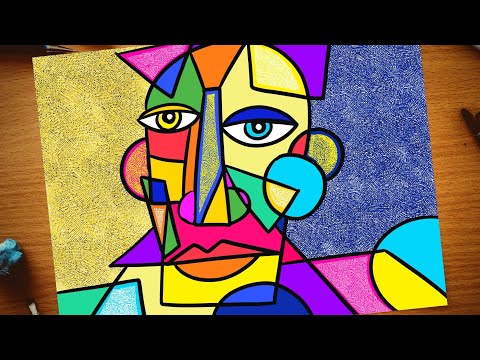
Cubism Picasso inspired portrait | Cubism art lesson for kids | How to draw Cubism face drawing

  Overview of the Video Content This educational video is designed to introduce children to the art movement known as Cubism, with a specifi...