Tuesday, October 8, 2024

Acrylic Painting TIPS for Beginners - How to GET STARTED


Overview of Acrylic Painting The video titled “Acrylic Painting TIPS for Beginners - How to GET STARTED” serves as an introductory guide for individuals who are new to acrylic painting. It aims to demystify the process and provide essential tips that can help beginners navigate their first steps in this versatile medium.

Materials Needed One of the key sections of the video focuses on the materials required for acrylic painting. The presenter likely discusses various types of acrylic paints, brushes, canvases, and other tools such as palettes and water containers. This segment is crucial as it helps viewers understand what they need to get started without overwhelming them with unnecessary options.

Basic Techniques The video probably covers fundamental techniques that are vital for beginners. This may include how to mix colors effectively, create different textures, and apply paint using various brush strokes. By demonstrating these techniques, the presenter provides practical knowledge that viewers can immediately apply in their own artwork.

Step-by-Step Guidance Throughout the video, viewers can expect step-by-step guidance on creating a simple painting. This hands-on approach allows beginners to follow along and replicate the process, reinforcing their learning experience. The presenter may also share tips on composition and color theory to enhance the overall quality of their work.

Common Mistakes to Avoid Another important aspect likely addressed in the video is common mistakes that beginners tend to make when starting with acrylics. By highlighting these pitfalls, such as overworking paint or not using enough water, viewers can learn how to avoid them and improve their skills more quickly.

Encouragement and Inspiration Finally, the video likely concludes with words of encouragement aimed at inspiring beginners to keep practicing and experimenting with acrylic painting. The presenter may emphasize that making mistakes is part of the learning process and encourage viewers to find their unique style over time.

In summary, “Acrylic Painting TIPS for Beginners - How to GET STARTED” serves as a comprehensive resource for newcomers looking to explore acrylic painting through practical advice, demonstrations, and motivational insights. 

Learn to Paint Watercolor in 5 Minutes - Easy Beginner Watercolor Lesson


 The video titled “Learn to Paint Watercolor in 5 Minutes - Easy Beginner Watercolor Lesson” is designed specifically for individuals who are new to watercolor painting. It aims to provide a quick and accessible introduction to the fundamental techniques and concepts involved in this art form. The lesson is structured to be completed within a short time frame, making it ideal for beginners who may feel intimidated by longer, more complex tutorials.

Key Learning Objectives
In this brief tutorial, viewers will learn essential skills such as how to properly handle watercolor brushes, mix colors effectively, and apply paint on paper. The instructor likely emphasizes the importance of understanding water control, which is crucial for achieving various effects in watercolor painting. Additionally, the video may cover basic color theory principles that help beginners make informed choices about their palette.

Step-by-Step Guidance
The video likely breaks down the painting process into simple steps that can be easily followed. This could include demonstrations of basic brush strokes, layering techniques, and how to create gradients or washes. By focusing on easy-to-follow instructions, the video encourages viewers to experiment with their creativity without feeling overwhelmed.

Materials Needed
To facilitate learning, the video probably outlines the materials required for the lesson. This typically includes watercolor paints (either tubes or pans), a set of brushes (often including round and flat brushes), watercolor paper, and a palette for mixing colors. The instructor may also suggest additional tools like masking tape or paper towels for practical use during painting.

Encouragement for Practice
Throughout the video, there is likely an emphasis on practice and experimentation. The instructor may encourage viewers not to worry about perfection but rather focus on enjoying the process of creating art. This positive reinforcement helps build confidence among beginners as they explore their artistic abilities.

Conclusion and Call to Action
At the end of the video, viewers are often encouraged to share their creations or ask questions in the comments section. This fosters a sense of community among beginner artists and provides an opportunity for feedback and further learning.


how to draw easy casual costumes 17


 The video titled “How to Draw Easy Casual Costumes 17” is an instructional guide aimed at individuals interested in learning how to create simple yet stylish costume designs. The focus is on casual costumes that can be easily replicated by artists of varying skill levels, making it accessible for beginners as well as those with more experience.

Step-by-Step Drawing Process
The video likely begins with a brief introduction to the materials needed for drawing, such as pencils, erasers, and coloring tools. Following this, the instructor may demonstrate the step-by-step process of sketching different casual costume ideas. This could include outlining basic shapes and figures before adding details like clothing patterns, accessories, and facial expressions.

Costume Ideas Featured
Throughout the video, various costume concepts are presented. These might include popular themes such as superheroes, fantasy characters, or everyday outfits that can be transformed into costumes. The emphasis is on creativity and personalization, encouraging viewers to modify the designs according to their preferences.

Techniques and Tips
In addition to the drawing techniques, the video may provide tips on how to add depth and dimension to the costumes through shading and color choices. Viewers might learn about proportions and how to effectively use lines and curves to enhance their drawings.

Conclusion and Encouragement
Towards the end of the video, there is likely a recap of what was covered along with encouragement for viewers to practice their skills. The instructor may invite viewers to share their creations or suggest future topics for upcoming videos.

Overall, “How to Draw Easy Casual Costumes 17” serves as a valuable resource for aspiring artists looking to expand their repertoire in costume design while enjoying a fun and creative activity.

Monday, October 7, 2024

Paint ANYTHING in just 4 Simple Steps!

This video presents a straightforward and engaging tutorial aimed at individuals interested in learning how to paint effectively. The content is structured around four simple steps that guide viewers through the painting process, making it accessible for both beginners and those with some experience.

Step 1: Gather Your Materials The first step emphasizes the importance of having the right tools and materials before starting any painting project. Viewers are encouraged to collect essential items such as brushes, paints (acrylic, watercolor, or oil), canvases or paper, palettes, and water containers. The video highlights the significance of quality materials in achieving better results.

Step 2: Sketch Your Design In this step, the video instructs viewers on how to create a basic sketch of their intended artwork. This involves using light pencil strokes to outline shapes and forms on the canvas or paper. The importance of planning out the composition is discussed, as it helps in visualizing the final piece and ensures that proportions are correct.

Step 3: Apply Base Colors Once the sketch is complete, the video transitions into applying base colors. Viewers learn techniques for mixing colors and applying them evenly across the canvas. The tutorial may include tips on layering colors to create depth and texture, encouraging experimentation with different brush techniques to achieve various effects.

Step 4: Add Details and Finishing Touches The final step focuses on refining the artwork by adding details and highlights. Viewers are shown how to use smaller brushes for intricate work and how to assess their painting from a distance for overall balance. The video concludes with advice on signing their artwork and preserving it properly.

Conclusion Overall, this video serves as an excellent resource for anyone looking to enhance their painting skills through a simplified approach. By breaking down the process into four manageable steps, it empowers viewers to express their creativity confidently.


How to Find Your Art Style (8 Easy Ways)


 The video titled “How to Find Your Art Style (8 Easy Ways)” serves as a comprehensive guide for artists seeking to develop or refine their unique artistic style. It addresses the common challenges faced by both novice and experienced artists in identifying what makes their work distinct and personal.

Content Breakdown

  1. Introduction to Art Style The video begins with an explanation of what an art style is, emphasizing that it encompasses the techniques, themes, and visual elements that characterize an artist’s work. It highlights the importance of having a recognizable style in establishing one’s identity as an artist.

  2. Exploration of Influences One of the key points discussed is the significance of exploring various influences. The video encourages viewers to look at different artists, movements, and genres to gather inspiration. This exploration helps in understanding what resonates with them personally.

  3. Experimentation The video emphasizes experimentation as a crucial step in finding one’s art style. It suggests trying out different mediums, techniques, and subjects without the fear of making mistakes. This process allows artists to discover what they enjoy most and where their strengths lie.

  4. Creating a Mood Board Viewers are advised to create a mood board that reflects their interests and inspirations. This visual collection can include images, colors, textures, and other elements that evoke emotions or ideas they wish to express through their art.

  5. Self-Reflection The importance of self-reflection is highlighted as a means for artists to understand their motivations and preferences better. By asking questions about what themes or messages they want to convey, artists can align their work more closely with their personal vision.

  6. Consistency in Practice The video stresses the need for consistent practice in developing an art style. Regularly creating art not only hones skills but also helps solidify an artist’s voice over time.

  7. Seeking Feedback Engaging with peers or mentors for feedback is presented as a valuable way to gain insights into one’s work. Constructive criticism can help identify strengths and areas for improvement, guiding artists toward refining their style further.

  8. Embracing Evolution Finally, the video concludes by encouraging artists to embrace the evolution of their style over time. It reassures viewers that it is natural for styles to change as they grow and learn, advocating for flexibility rather than rigidity in artistic expression.

Conclusion Overall, “How to Find Your Art Style (8 Easy Ways)” provides practical advice aimed at helping artists navigate the often challenging journey of self-discovery in art-making. By following these steps, viewers are empowered to explore their creativity while developing a distinctive artistic voice.


Digital Art ESSENTIALS For Beginners! (tutorial)


 The video titled “Digital Art ESSENTIALS For Beginners! (tutorial)” serves as a comprehensive introduction to digital art for those who are new to the medium. It covers fundamental concepts, tools, and techniques that are essential for anyone looking to start creating digital artwork. The tutorial is structured in a way that is accessible and engaging, making it suitable for beginners with little to no prior experience.

Key Topics Covered

  1. Introduction to Digital Art: The video begins by defining what digital art is and how it differs from traditional forms of art. It explains the various applications of digital art in fields such as illustration, graphic design, and animation.

  2. Essential Tools and Software: Viewers are introduced to various software options available for digital art creation, including popular programs like Adobe Photoshop, Procreate, and Corel Painter. The video discusses the pros and cons of each tool, helping beginners make informed choices based on their needs and preferences.

  3. Hardware Requirements: The tutorial outlines the necessary hardware for creating digital art, including graphics tablets, styluses, and computers or tablets capable of running digital art software efficiently. Recommendations for budget-friendly options are also provided.

  4. Basic Techniques: Fundamental techniques such as layering, brush settings, color theory, and composition are explained in detail. The video includes demonstrations that illustrate how these techniques can be applied in practice.

  5. Creating Your First Artwork: Towards the end of the tutorial, viewers are guided through the process of creating their first piece of digital art step-by-step. This practical approach reinforces the concepts discussed earlier in the video.

  6. Tips for Improvement: Finally, the video offers tips on how beginners can continue to improve their skills over time. This includes practicing regularly, seeking feedback from peers or online communities, and exploring different styles and techniques.

Conclusion
Overall, “Digital Art ESSENTIALS For Beginners! (tutorial)” provides a solid foundation for anyone interested in exploring digital art. By covering essential tools, techniques, and practical advice in an easy-to-follow format, it empowers viewers to embark on their creative journey with confidence.


The 10 Most Famous Sculptures in the World | The Most Famous Statues


 This video presents a curated list of the ten most famous sculptures globally, highlighting their historical significance, artistic merit, and cultural impact. It serves as an educational resource for art enthusiasts, students, and anyone interested in the world of sculpture.

Content Breakdown

  1. Introduction to Sculpture The video begins with a brief introduction to the art of sculpture, discussing its evolution from ancient times to contemporary practices. It emphasizes how sculptures have been used to convey messages, commemorate events, and express human emotions.

  2. Criteria for Selection The selection criteria for these sculptures are explained, focusing on factors such as historical importance, artistic innovation, and global recognition. This sets the stage for understanding why each piece made it onto the list.

  3. Top Ten Sculptures Each sculpture is presented with detailed information:

    • David by Michelangelo: Discusses its Renaissance context and technical mastery.
    • The Thinker by Auguste Rodin: Explores its representation of philosophy and introspection.
    • Venus de Milo: Highlights its ancient Greek origins and enduring beauty.
    • Christ the Redeemer: Examines its cultural significance in Brazil and architectural features.
    • The Great Sphinx of Giza: Provides insights into its historical context and mysteries.
    • Pietà by Michelangelo: Analyzes its emotional depth and artistic technique.
    • Mount Rushmore: Discusses its political implications and engineering challenges.
    • The Little Mermaid by Edvard Eriksen: Looks at its fairy tale origins and tourist appeal.
    • Manneken Pis: Describes its quirky charm and role in Belgian culture.
    • The Statue of Liberty: Covers its symbolism of freedom and immigration in America.
  4. Cultural Impact After presenting each sculpture, the video delves into their cultural impacts—how they have influenced art movements, inspired artists, or become symbols of national identity.

  5. Conclusion The video concludes by reflecting on the timeless nature of these works and their ability to connect people across different cultures and eras.

  6. Visuals and Presentation Style Throughout the video, high-quality visuals showcase each sculpture from various angles while providing engaging narration that enhances viewer understanding.

  7. Call to Action Finally, viewers are encouraged to explore more about these sculptures through visits to museums or further research online.

In summary, this video not only lists famous sculptures but also educates viewers about their significance in art history while promoting appreciation for sculptural arts worldwide.


Cubism Picasso inspired portrait | Cubism art lesson for kids | How to draw Cubism face drawing

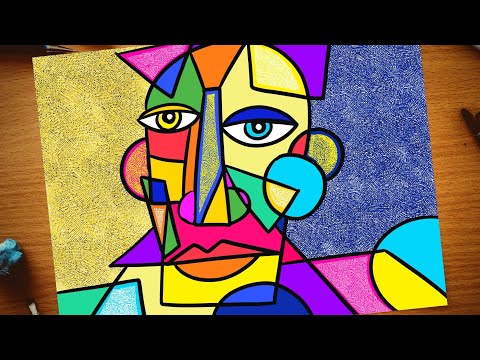
  Overview of the Video Content This educational video is designed to introduce children to the art movement known as Cubism, with a specifi...